When media studies alum Cole Smith ‘26 first walked into his visual history class, he didn’t expect a simple classroom prompt to launch one of the most meaningful projects of his undergraduate career. The Greensboro native wasn’t thinking about research grants, travel, or winning awards. He was simply trying to answer a question.
“My professor asked, ‘What’s a story in your family’s history that’s important or interesting?’” Smith says. “I went last. I couldn’t think of anything.”
Then he remembered the stories his grandparents shared around the dinner table about owning McDonald’s franchises across the country and the communities they built along the way.
That moment sparked what would become a yearlong research project, a short documentary film, and first-place recognition at the 2026 Carolyn & Norwood Thomas Undergraduate Research and Creativity Expo. At its heart, the project explores Black entrepreneurship, community resilience, and family legacy.
A Family Story Worth Telling
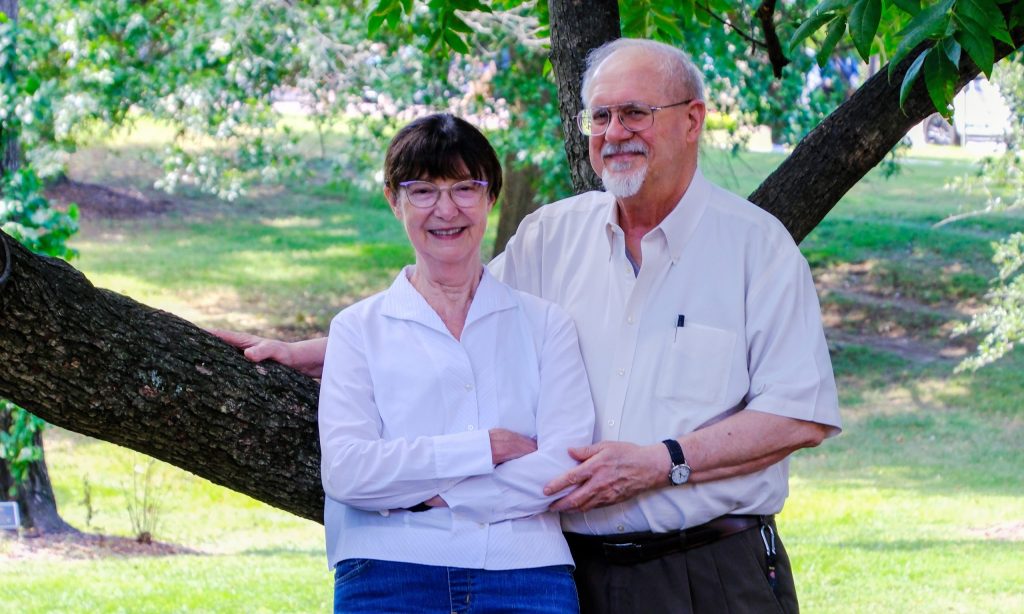
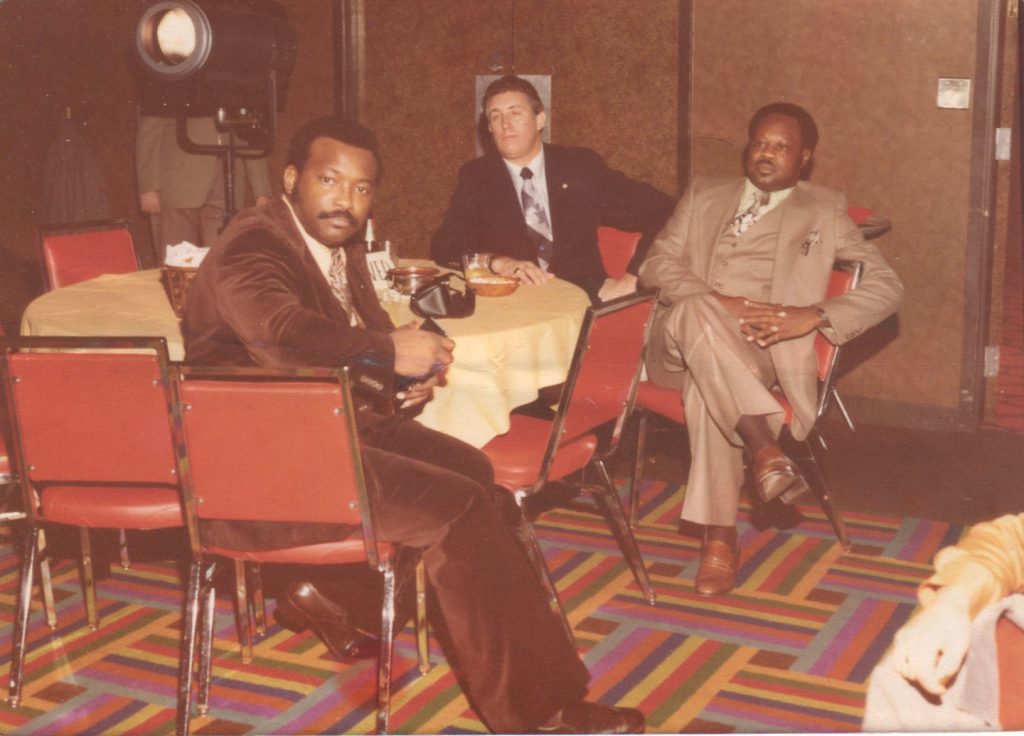
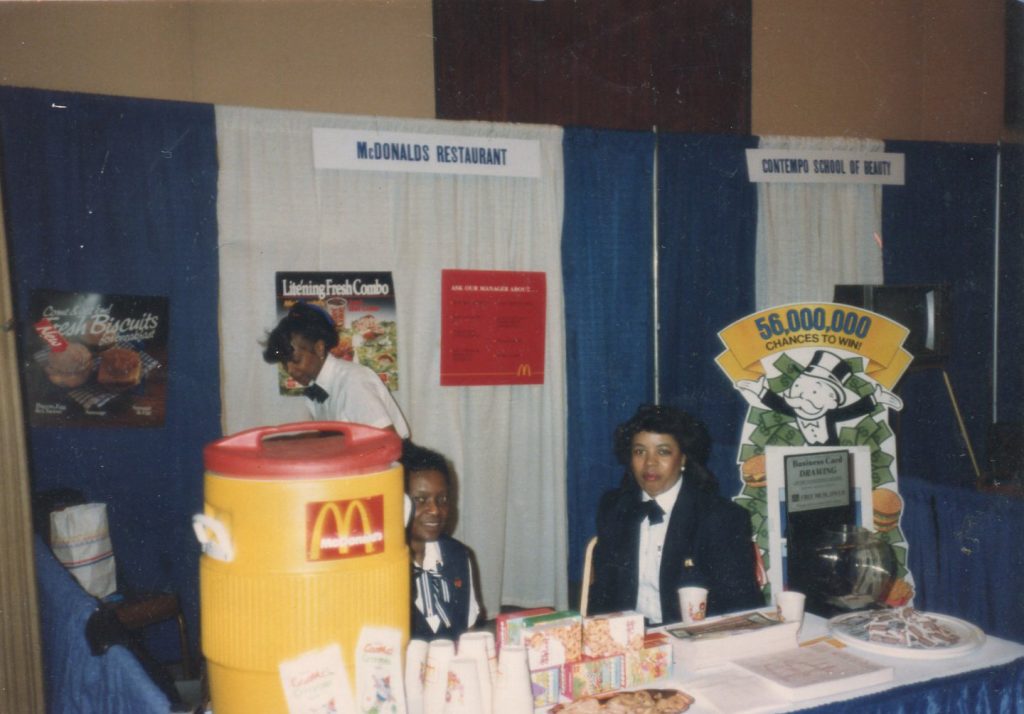
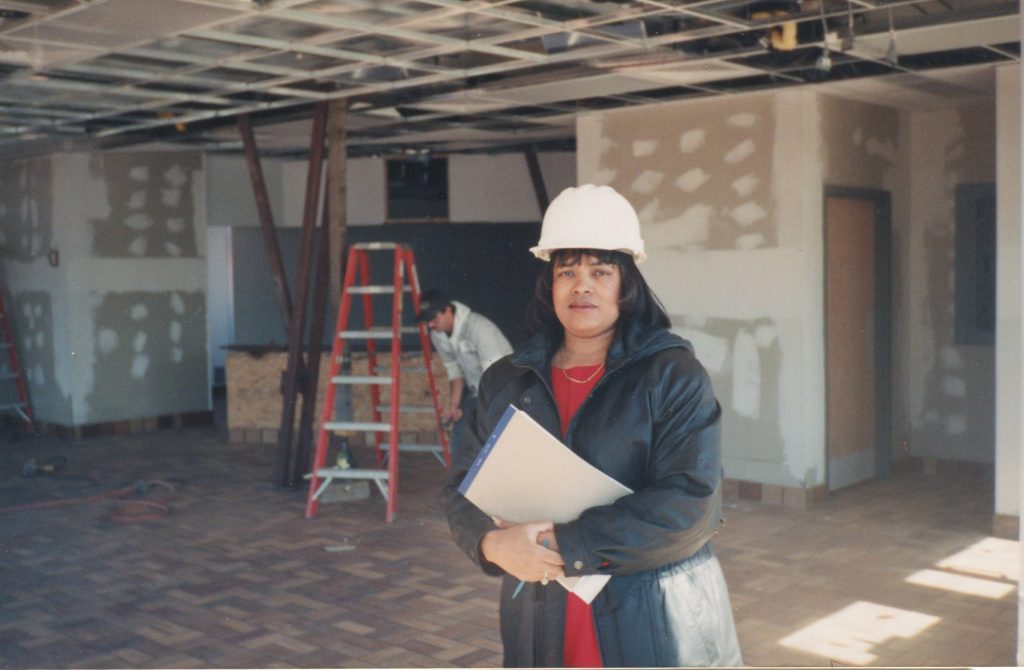
Smith’s grandparents, Debra and James “Smitty” Smith, began their journey as McDonald’s franchise owners in 1984. Over the years, they operated restaurants in Houston, Los Angeles, and Greensboro.
One chapter of their story stood out to Cole.
During the 1992 Los Angeles riots, many businesses in their area were damaged or destroyed.
“A lot of businesses they saw burned down, but theirs stayed intact in large part because they were so integral to the community around them,” Smith says. “Everybody knew who they were.” There was an understanding amongst the community that “out of any place to burn down, we can’t burn down this place.”
After sharing the story in class, a classmate encouraged Smith to interview his grandparents. What he expected to be a brief conversation became a five-hour oral history session.
“I realized a lot of people my age don’t have grandparents to talk to,” he says. “I’m very fortunate to still have mine. I thought if I record this dialogue, not only will I better understand what they went through, but future generations, my kids, their kids, they’ll understand way more about them than the average person would about their great grandparents.
His grandmother laughs remembering that first interview.
“I said, ‘How long do you think it’ll take? Maybe a half hour,'” Debra Smith recalls. “It was five hours later. He had maybe four or five questions to ask, but when he asked one it would prompt something else.”
What started as a class assignment quickly grew.
The Making of a Researcher
For his final project in the visual history course, Smith created an initial documentary based on those interviews. Media studies lecturer Paula Damasceno immediately saw potential.
“It was just really appealing because it is such a dynamic family history in terms of moving place to place, deeply connected to the U.S. South and the African American experience between south, north, west, and east,” Damasceno says. “I thought that it had potential to be a personal family story that would connect to many other families.”
Damasceno encouraged Smith to continue the project through an independent study Along the way, she helped him break an ambitious idea into manageable tasks focused on archival research, documentary storytelling, and grant-funded opportunities. Those early assignments eventually became the foundation of a successful grant proposal through the office of Undergraduate Research, Scholarship & Creativity (URSCO).
“She made it less overwhelming for me,” Smith explains. “If you feel overwhelmed with your idea, break it down into bite-sized pieces and just take it day by day, month by month. It didn’t click in my head that she was getting this information, gathering it so I could get a grant.”
Bringing History to the Screen
The funding allowed him to travel to Los Angeles. This was a key step in the process, according to Damasceno.
“We realized that for many reasons, one for the film itself, it would be important for Cole to step into Los Angeles to get some B-roll,” she explains. “It was important for him to recover part of his family story in terms of experiencing it rather than just listening to it.”
In addition to visiting places where his family built their business and gathering footage, Smith was able to get further firsthand recollections from his aunt. She worked at the family’s franchises and was able to share what it was like seeing her parents as Black entrepreneurs and provide additional context of the environment of the 1980s and 90s.
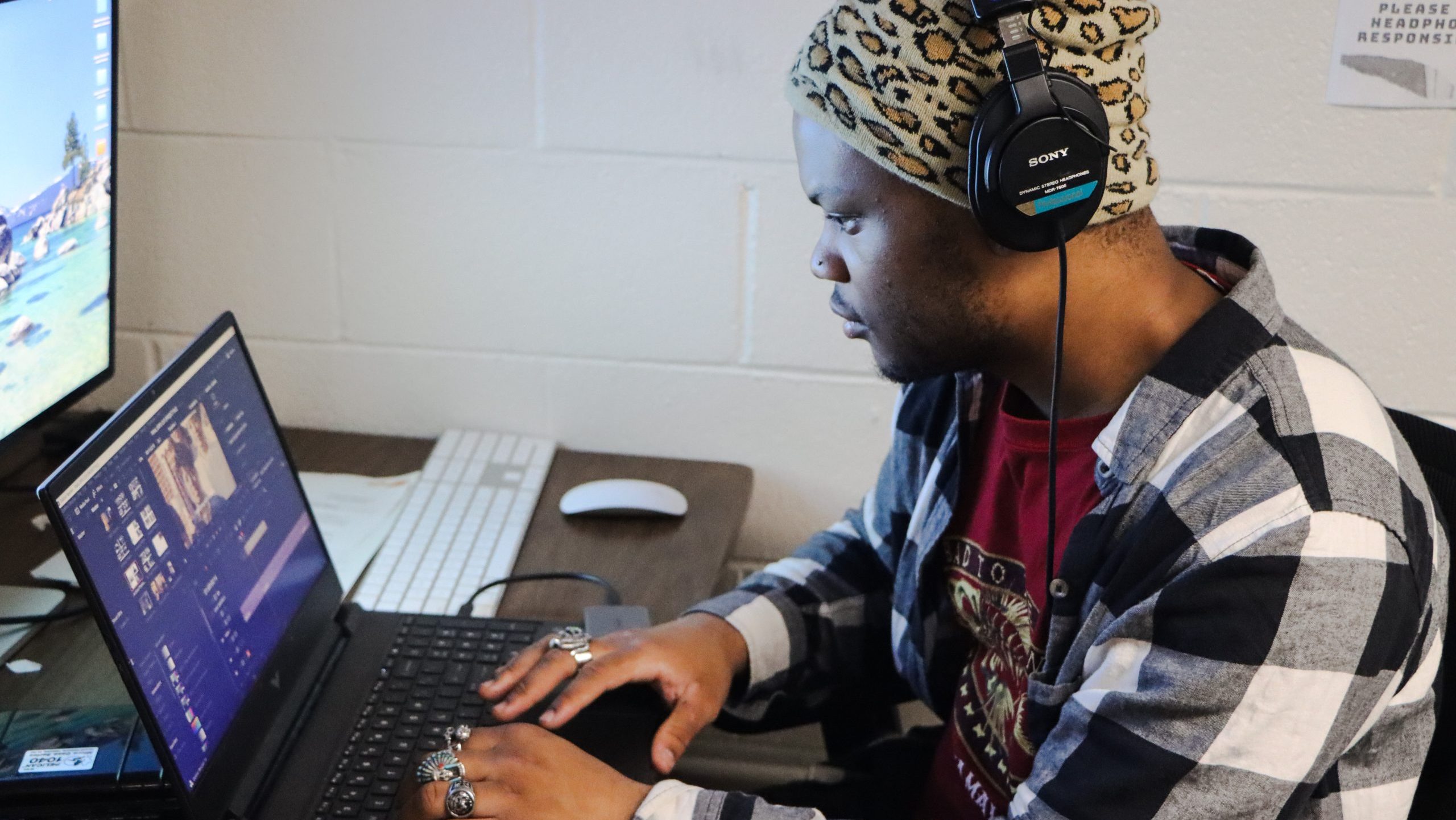
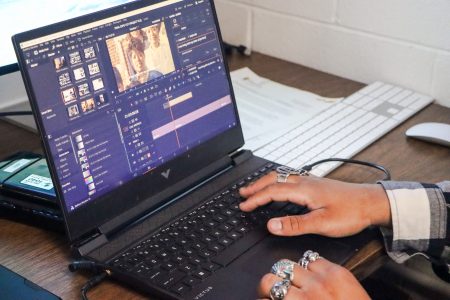
Once the bulk of his footage and interviews was captured, it was time to produce a more comprehensive cut of the film. He spent months selecting video footage, arranging his grandparents’ audio, and splicing everything into a cohesive package. During that time, he continued to work with Damasceno and took her suggestion to collaborate with fellow students. Outside perspective and expertise provided insight into what part of the story others may find interesting and how to best present it.
Through their time working together, Damasceno has seen Smith bloom as a research and filmmaker.
“In my class, he had no idea that what he presented was a seed, that having more water and sun would make it grow and grow and grow,” she says. “What he learned is that he had an idea and that it is was worth exploring. Good things, good media pieces, or, especially in his case, good documentaries, especially relating to people in their own family, are dependent on development relationships as well. . .And so he grew from seeing just an assignment to seeing what a seed can be and how to develop it.”
Community Builders
Cole’s grandfather began working for McDonald’s in Chicago in 1971. By 1984, he and his wife opened their first franchise in Houston, Texas. They later operated locations in Los Angeles before settling in Greensboro in 1993. As Smith learned more about their decades-long career, he was struck by their creativity and commitment to the communities they served.
“They would do very creative things to drum up business, especially in Houston where it was very competitive” he recalls. “They would have gymnastics shows outside of their store. There’s this giant mat of these little girls doing gymnastics and people would come in and get a meal.”
They also hosted fashion shows, costume contests, and other events to get the community involved with the stores. Another strength that sticks out was the family’s unity while growing the business.
“They were always a team, not only my grandma and grandpa, but my dad and my aunt worked in those stores a lot of the time when they were young,” Smith says. “Their family was a unit. They were moving so much that they didn’t really have time to build like real long-lasting friendships. But they were really a unit, and they knew how to support each other when things got tough.”
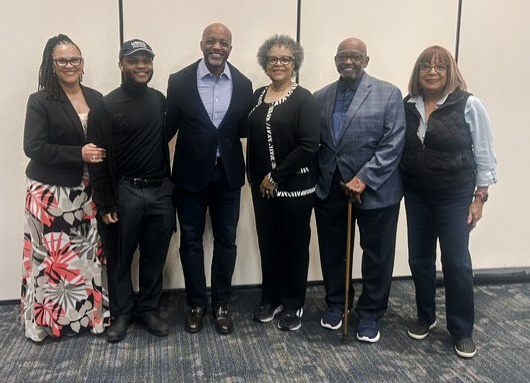
That legacy continues today. After his grandfather retired, Cole’s father, Adrian Smith, took over operation of the family’s Greensboro restaurants.
A Story Bigger Than Business
As Smith dug deeper into his grandparents’ history, he began uncovering stories that revealed a larger cultural significance, particularly in Greensboro. One of the most powerful involved the family’s Summit Avenue restaurant, the first McDonald’s in Greensboro.
“At the time it opened in 1959 it was a whites-only establishment,” Smith says. “Black folks had to go to the back door to get their food.”
In 2000, his grandparents became the owner of that same restaurant.
“My grandma told me about an older woman who came in, pulled her aside, and said, ‘I’m so proud of you,’” Smith explains. She remembered as a child not being served inside the restaurant, having to go around the back. “I think she was just so in awe that my grandparents were able to not only belong there but own it too.”
For Damasceno, the project’s importance is clear. While so many African American histories and experiences are overlooked or flattened, Smith’s documentary is an example of how to reclaim and shed light on those experiences.
“This is an instance that is important nowadays to really record stories that unflatten flattened stories,” she explains. “Points of history like this are really stars in that huge constellation of moments in the African American experience that are flattened sometimes.”
What’s Next
In April, Smith presented the first cut of his documentary, initially titled “Community Hub: Entrepreneurship and Black Los Angeles,” at the Undergraduate Research and Creativity Expo, where it earned first-place honors. Several family members, including his grandparents, attended the presentation.
“I’m just amazed at how much I was able to remember just from sitting and talking to him,” Debra Smith says. “The way he put it together, it’s wonderful. I’m just so proud of him.”
Smith is spending the rest of the year refining the documentary and hopes to submit it to film festivals. He wants audiences to see more than a story about restaurant ownership.
“I look at it more than just the business that they owned and focus on what they actually did,” he explains. “It’s how they went about it, how they impacted people, the things they did, the lasting impact they left on everyone for generations.”
Story by Amanda Kennison, College of Arts & Sciences
Photography by Amanda Kennison and courtesy of Cole Smith

Learn media from both sides of the screen.