• Ashby Dialogues: Healing Disclosures of Food and Faith

    Ashby Dialogues

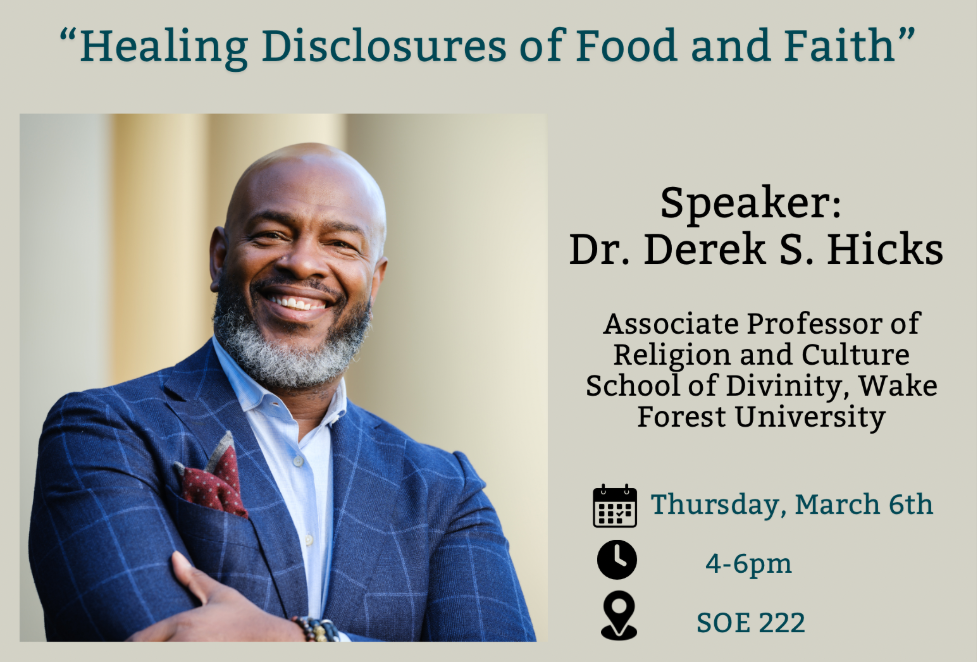
    Please join us for the first event of the Ashby Delectable Dialogues series (Spring 2025): Cultivating Interdisciplinary Food Conversations.

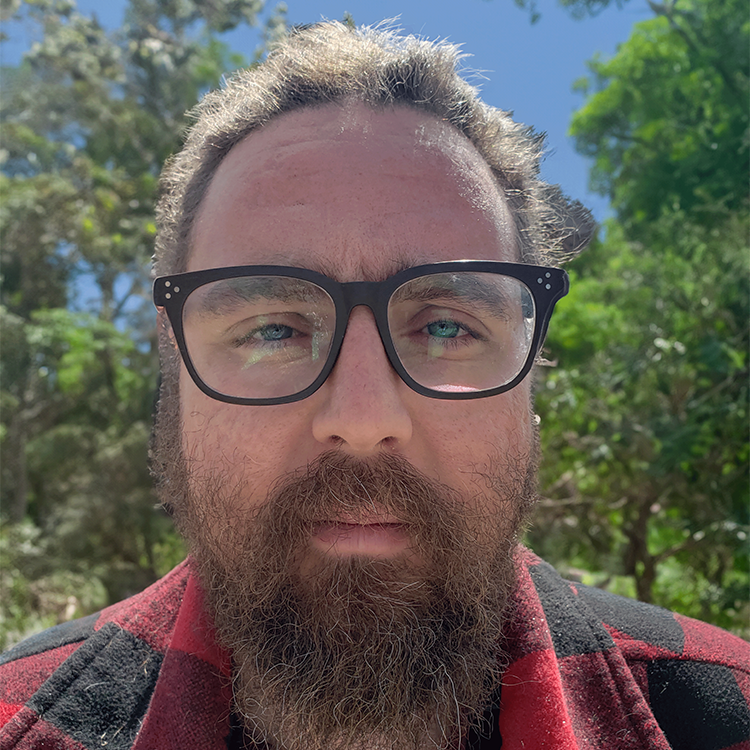
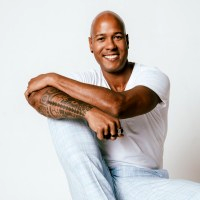
    Dr. Derek S. Hicks, Associate Professor of Religion and Culture at the School of Divinity, Wake Forest University will be delivering a talk followed by Q&A on "Healing Disclosures of Food and Faith"

  • Auditing Large Language Model Ecosystems: From Model Outputs to Agentic System Deployment

    Petty Building - Room 219 317 College Ave, Greensboro, North Carolina, United States

    The College of Arts & Sciences' Ashby Dialogues presents this lecture by Dr. Tianlong Chen, a computer science professor from UNC Chapel-Hill. The 2025-26 Ashby Dialogues explores the theme, "Rethinking the Algorithm: AI and the Human Experience."

  • Samba, Embodiment, and Representation

    Ashby Dialogues
    Elliott University Center (EUC) 507 Stirling St, Greensboro, NC, United States

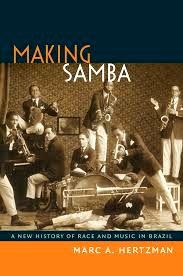
    Join us for an evening of film, history, and conversation on Samba’s cultural and political legacy. We’ll screen a feature on a 1950s Samba composer and a short film about a dancer removed from her role because of her skin color, followed by an introduction to the first chapter of Mark Hertzman’s Making Samba.

  • Making Samba: A New History of Race and Music in Brazil

    Ashby Dialogues

    Book author talk and Q&A: Join us online for a special author talk with Dr. Marc A. Hertzman on his book Making Samba. We’ll revisit the story of Donga’s “Pelo Telefone” (1916) and the controversies that reshaped Brazilian music, race, and national identity.

  • Samba Movement and Dance Workshop

    Ashby Dialogues
    Coleman Building 1408 Walker Ave, Greensboro, NC, United States

    Join us for an engaging workshop on Samba movement. Explore the cultural roots of Samba while learning basic and intermediate movements that bring its rhythm and energy to life.

  • AI, Work, and Meaning

    The College of Arts & Sciences’ Ashby Dialogues presents this lecture by Professor Zach Wrublewski of UNCG's Philosophy Department. The 2025-26 Ashby Dialogues explores the theme, “Rethinking the Algorithm: AI and the Human Experience.”

  • Samba, Screen, and Society: Gender, Race, and Brazilian Cinema

    Ashby Dialogues
    UNCG Curry Building 1109 Spring Garden St, Greensboro, North Carolina, United States

    Join us for an evening of film, refreshments, and conversation. We’ll screen the feature Madame Satã alongside The Guardian short Too Black to Brazil, exploring gender constructions, racial identity, and representations of Samba in Brazilian cinema. Stay for dialogue and reflection on the intersections of race, gender, and cultural expression in film.

  • The Great Self-Portrait

    UNCG's Moore Humanities and Research Administration (MHRA) Building 1111 Spring Garden St, Greensboro, NC

    Dr. Hronek examines the nature of cyborg in fictional literature and media and ponders the questions of whether technology is portrayed as a liberator or another means of oppresion.

  • Samba Drumming Roots Workshop

    Ashby Dialogues
    UNCG School of Music 100 McIver St, Greensboro, NC, United States

    Learn Samba’s roots from colonial Bahia and the legacies of slavery to a vibrant Afro-Brazilian cultural expression celebrated globally, while playing on provided instruments.

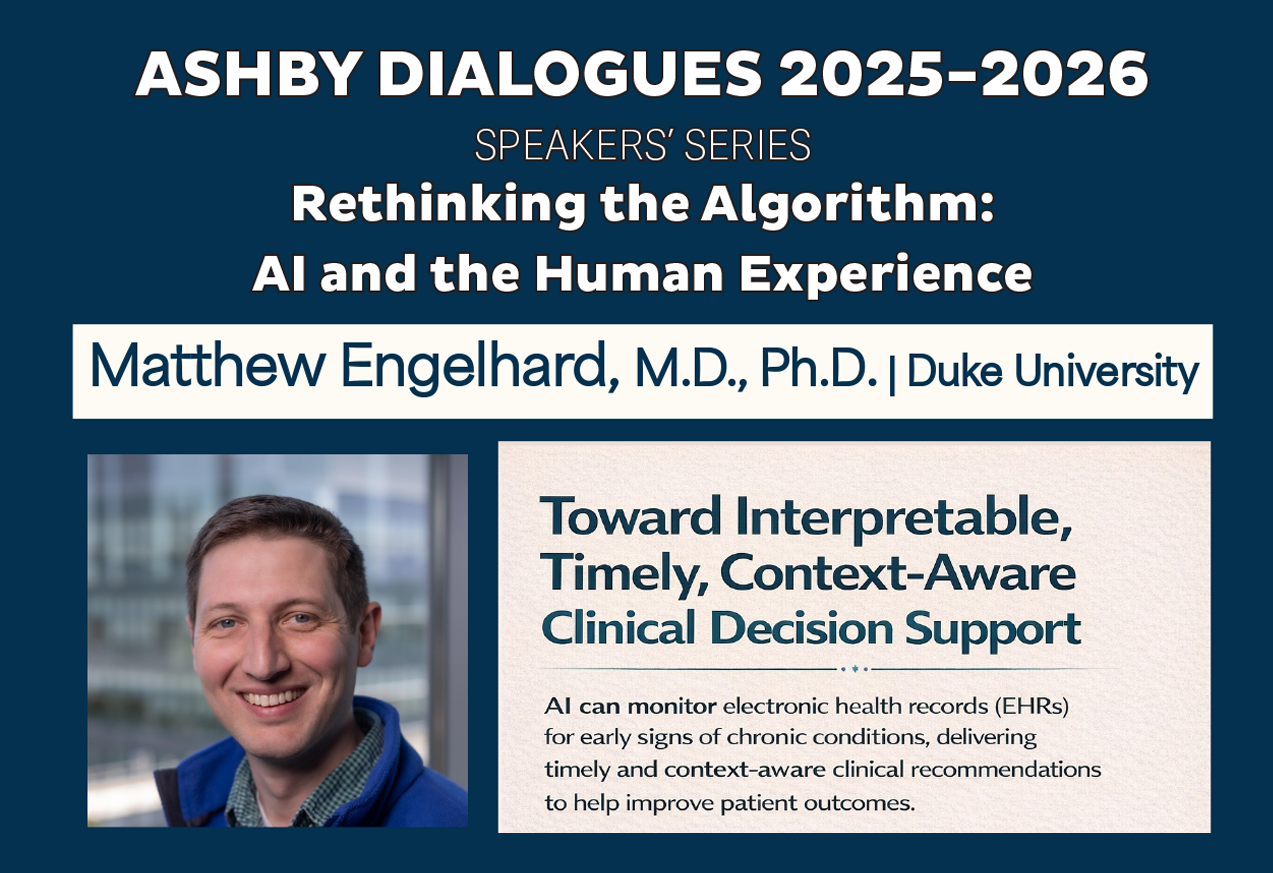
  • Rethinking the Algorithm: AI and the Human Experience – Ashby Dialogues Speaker Matthew Engelhard of Duke University

    Ashby Dialogues
    UNCG's Moore Humanities and Research Administration (MHRA) Building 1111 Spring Garden St, Greensboro, NC

    "Toward interpretable, timely, context-aware clinical decision support" - Learn about how AI can monitor electronic health records for early signs of chronic conditions, delivering timely and context-aware clinical recommendations to help improve patient outcomes.

  • Rethinking How We Talk About And Work With A.I.

    Ashby Dialogues
    School of Education Building 1300 Spring Garden St, Greensboro, NC, United States

    Anthropomorphizing language can obscure the fact that replacing humans with machines does not lead to equivalent actions or interactions. This session presents a framework for understanding how technology changes the nature of tasks and prescribes behaviors.